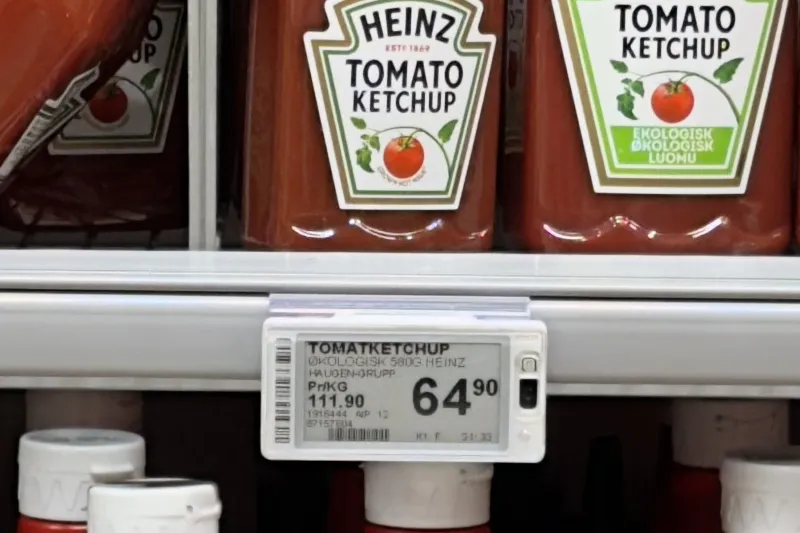
The People Who Never Pay Yesterday's Price: Inside America's Automated Deal Underground

Photo: Sparrow (2019), CC0, via Wikimedia Commons
At 2:47 a.m. on a random Tuesday, a 32-inch monitor on Derek Vasquez's desk in Ohio lit up with a push notification. A patio heater he'd been stalking since September had dropped from $189 to $112. He didn't wake up. He didn't need to. By the time he made coffee, the order was already placed through his linked account, and the confirmation email was sitting in his inbox next to a spreadsheet line item reading: SAVED: $77.
Derek hasn't manually checked a price in eight months.
The Rise of the Set-It-and-Forget-It Shopper
There's a quiet corner of the deal world that never trends on social media and never makes headlines during Black Friday. It's the automated price-tracking ecosystem — a loose network of browser extensions, alert apps, and DIY scripts that watch product pages the way a hawk watches a field mouse.
The tools aren't new. CamelCamelCamel has been charting Amazon price history since before most people knew what a Prime Day was. Keepa, Honey's deal alerts, Slickdeals' watch lists — they've all been chugging along in the background for years. What's changed is the behavior around them. A new wave of shoppers isn't using these tools occasionally. They've built entire purchasing systems on top of them.
Derek, a 41-year-old logistics coordinator in Columbus, describes his setup like a guy describing a fantasy football roster. Every big-ticket item on his family's wishlist lives in a tracker with a target price attached. When the algorithm catches a dip, the deal comes to him — usually while he's doing something else entirely.
"The old way was checking the same page five times a day and hoping," he told me. "The new way is the page checks itself and texts you when it's time to act. It's the difference between fishing with a pole and fishing with a net."
How the Machines Actually Work
Under the hood, most of these services do something refreshingly unglamorous: they visit product pages over and over — sometimes every few minutes — and log the price. Over weeks and months, that data builds a history. And history, it turns out, is the real product.
Knowing that a $249 air fryer has hit $139 three times in the past year changes everything. You stop guessing whether a sale is good and start knowing. You learn that "50% off" on some brands just means the price returned to where it sat in March. You learn that certain retailers drop prices on Sunday nights and quietly raise them again Thursday. The trackers turn retail's theater back into a spreadsheet.
The savvier users go a step further. Some pair alerts with auto-checkout scripts that pounce on pricing errors before they're corrected — a move that's gotten more controversial as retailers crack down. Others simply set target prices and let patience do the work, which is about as aggressive as a savings bond.
So What's the Actual Damage... to Prices?
The savings numbers floating around user forums tend to be self-reported, so take them with a grain of salt. But the pattern is consistent: households that track prices seriously report annual savings in the $1,000 to $3,000 range, concentrated almost entirely in durable goods — appliances, electronics, furniture, kids' gear.
The logic is simple. Nobody needs a refrigerator this week. The person who knows that LG French-door model dips below $2,100 twice a year just waits for one of those windows. The person who doesn't know pays $2,549 on a Saturday afternoon because it looked like a decent deal.
Where the automation gets shakier is with stuff that sells out fast or moves in minutes — the true flash sales. Trackers are great at catching slow, rolling price drops. They're less useful when a deal lives for 11 minutes and the item is gone by the time your phone buzzes. That's where the human deal-hunters and community forums still win.
Retailers: Customer or Combatant?
Here's the awkward part. Ask a retailer whether price-tracking shoppers are good customers and you'll get a diplomatic non-answer. The truth is that the industry holds both opinions at once.
On one hand, these are loyal, repeat buyers who spend deliberately and return less. On the other, they're the shoppers least likely to ever pay full margin — the ones who've reverse-engineered the markdown calendar and refuse to buy outside the trough.
The evidence of that tension is all over retail policy. Dynamic pricing, members-only "exclusive" prices, algorithmically personalized discounts — a lot of the modern pricing playbook reads like an attempt to make one shopper's tracked price irrelevant to another shopper's checkout screen. If the price you see depends on who you are, the public price history the trackers rely on gets murkier.
Some observers think that's exactly where things are headed: an arms race between tracking tools scraping whatever prices they can see and retailers showing different numbers to different browsers. Others think retailers will keep playing nice, because shoppers who feel watched and gamed simply leave.
How to Get a Piece of It Without Going Full Robot
You don't need a second monitor and a macro script to join this economy. The entry level is genuinely easy:
- Install one history tool for the retailer you use most, and check it before any purchase over $75. Thirty seconds of looking can save you the embarrassment of buying at a fake "original" price.
- Set target prices, not alerts for everything. Alerts without a threshold are just noise with a notification badge.
- Let big purchases wait. The single biggest behavioral shift among tracker users is simply not buying durable goods the week they want them.
- Pair alerts with a price-match policy. Several major US retailers will refund the difference if a price drops shortly after you buy — a feature that turns every tracker into a rebate machine.
Derek's advice after two years of full automation is blunter: "Retailers count on you being in a hurry. The whole system runs on urgency. The second you let a computer handle the waiting, you stop being the customer they designed the store for."
Somewhere in Ohio right now, a monitor is glowing at 2:47 a.m., and a patio heater is $77 cheaper because of it.