I Fact-Checked 100 Flash Sales in 30 Days. Only 61 Were Worth Your Wallet.

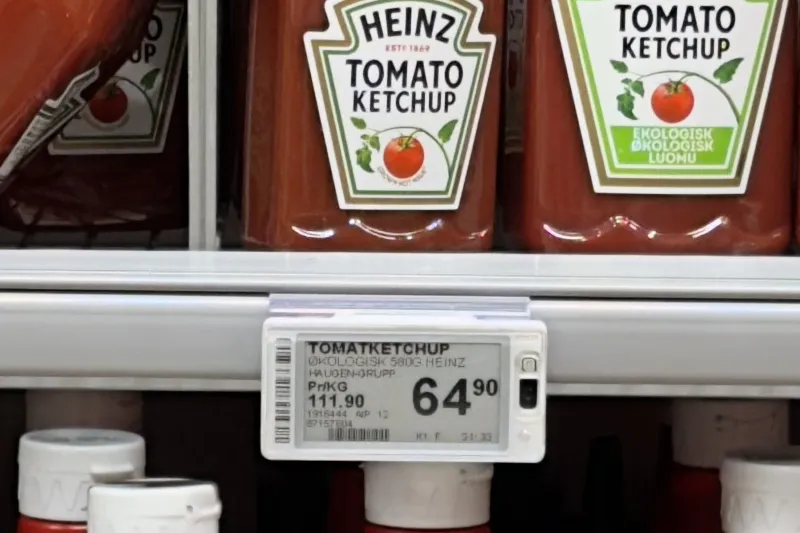
Photo: Tore Danielsson (WMSE), CC0, via Wikimedia Commons
Everyone says the same thing when a deal looks insane: 'That can't be real.' Most people close the tab. A few brave (or foolish) souls click buy and hope for the best. I did neither. For one month, I treated every suspicious offer that crossed my feed like a case file — 100 deals total, each one run through the same verification gauntlet before I spent a dime.
The results? 61 were genuinely worth buying. 22 were technically real but misleading in ways most shoppers never catch. 12 were straight-up bait. And 5 were outright scams dressed up in a countdown timer.
Here's the toolkit, step by step, so you can run the same checks yourself.
Step One: Price History or It Didn't Happen
The single most important check takes about 30 seconds. Before trusting any '70% off' claim, I ran the item through a price tracker — CamelCamelCamel for Amazon, and a browser extension that logs price history for Walmart, Target, and Best Buy.
What I found was humbling. Roughly a third of the 'sales' I checked had actually sold for the discounted price — or lower — within the previous 90 days. That $89 air fryer 'slashed' from $179? It hovered around $95 most of the fall. The discount was real; the anchor price was fiction.
If a tracker shows the item at or near the sale price recently, the deal isn't fake — but it's not urgent either. You can wait.
Step Two: The Seller Background Check
On marketplaces, the deal is only as trustworthy as who's holding the inventory. I pulled up seller profiles on every marketplace listing and looked for three things: account age, rating trend, and category drift.
That last one is the sleeper signal. A seller with two years of history selling phone cases who suddenly lists premium headphones at half price is a classic pattern I saw repeatedly this month. Four of the five outright scams in my sample came from sellers whose recent inventory had nothing to do with the 'deal' item.
Account age under six months plus a price that's 60%+ below every other listing? That combination went 0-for-7 in my test. Avoid.
Step Three: Read the Reviews Backwards
Here's a trick that saved me from at least six bad purchases: sort reviews by newest first and read them in reverse chronological order.
Why? Because fake review campaigns front-load a product's history. The first 50 reviews might be glowing five-star writeups from a paid burst in month one. The recent reviews tell the real story — the ones written after the product actually shipped at scale.
I also checked review dates against the listing's launch date. A product with 400 reviews but a listing that's three weeks old means the reviews migrated from a different (possibly different-quality) product page. Retailers call this 'review merging.' Shoppers should call it a red flag.
Step Four: The Return Policy Stress Test
A deal you can't return isn't a deal — it's a gamble. Before checkout, I read the return policy for every single offer, and I found the fine print varied wildly even within the same retailer.
Electronics marked 'final sale' during flash events. Third-party sellers with 14-day windows instead of 30. Restocking fees that quietly ate 15% of any refund. Two of my 22 'misleading but real' deals were only misleading because of return terms, not price.
My rule now: if the savings are under $20 and the return window is restricted, the deal fails. The hassle math doesn't work.
The Verdict Tally
Out of 100 deals:
- 61 legit and worth it — real discounts, clean seller history, honest pricing
- 22 real but inflated anchors — the sale price was fine, the 'original' price was theater
- 12 bait offers — real price, near-zero stock, designed to get you in the door for upsells
- 5 scams — nonexistent products, hijacked listings, or sellers who vanished
The 12 bait offers were the most interesting. These were deals that technically existed — the price was real, the checkout worked — but inventory was capped at three or four units nationwide. By the time you clicked, gone. Their purpose wasn't to sell you the deal item. It was to get your email, your click, your traffic while you were in a buying mood.
Your Two-Minute Version
You don't need my month-long project to shop smarter. Here's the compressed routine:
- Check price history (30 seconds) — is this actually below the usual price?
- Glance at the seller (20 seconds) — age, rating, and whether they normally sell this category
- Read recent reviews (40 seconds) — newest first, ignore the wall of five-stars
- Scan the return policy (30 seconds) — final sale and restocking fees kill marginal deals
Four checks, two minutes, zero regret. That's the whole philosophy here — deals should reward you, not test you. The offers worth your money survive scrutiny. The ones that don't were never really offers at all.