That 60% Off Price Tag Comes With a Timer You Didn't Agree To
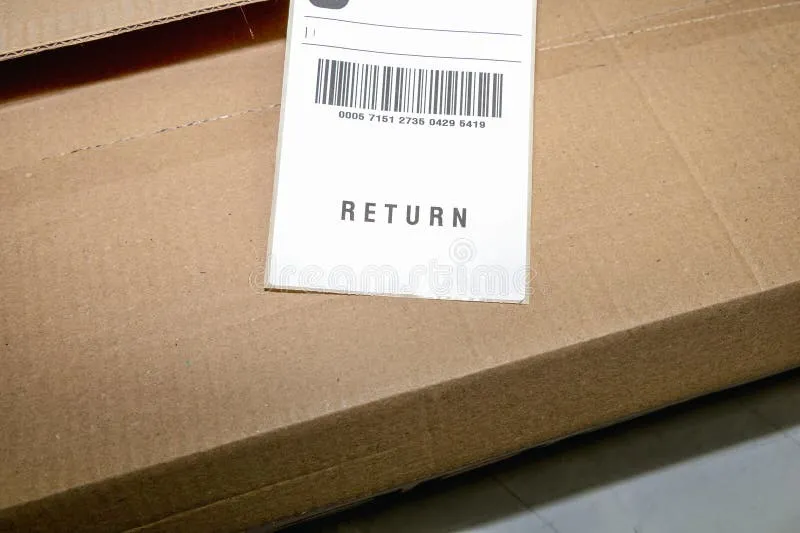
Photo: online shopping return package box laptop receipt, via thumbs.dreamstime.com
Here's a number that doesn't show up in any deal alert: 15%. That's the restocking fee one major electronics retailer slaps on open-box returns — meaning the 55%-off flash sale you grabbed on Tuesday quietly becomes a 40%-off sale the second you decide it doesn't fit your kitchen counter.
We spend a lot of time on this site tracking prices dropping. We spend a lot less time talking about what happens after the package lands on your porch. That's a gap worth fixing, because the fine print on a deal is often the difference between a steal and a sting.
The Discount Is Real. So Is the Catch.
The logic from the retailer's side is actually pretty straightforward — you just have to squint at it. Deep markdowns attract a certain kind of shopper: the one who buys three sizes, keeps one, and ships the rest back. Return abuse costs US retailers tens of billions a year, so when a price gets aggressive, the return policy often gets aggressive right alongside it.
The result is a menu of fine-print moves you'll see attached to doorbuster pricing:
- Shrinking windows. Standard 30-day returns trimmed to 14, or in some flash-sale cases, 48 hours from delivery.
- Restocking fees. Usually 10–20% on electronics, appliances, and big-ticket items, often triggered the moment you open the box.
- "Final sale" labels. No returns, period — sometimes buried in the product title where you'll only spot it on your third read-through.
- Return shipping on you. That free returns banner? Check whether it applies to clearance-tier pricing. Often it doesn't.
None of this is illegal. All of it is legal-ish fine print doing exactly what fine print does. Your job is to price it in.
How Refundable Are the Big Flash Deals? A Rough Ranking
We pulled return policies from major US retailers and looked specifically at how they treat clearance and limited-time pricing. Policies shift, so treat this as a snapshot — always check the current policy before checkout. But the general tiers look like this:
The generous tier. Costco and Target historically treat sale items like any other item — same window, no fee, even on steep markdowns. Costco's membership model means they'd rather eat a return than lose a renewal. Target's 90-day standard window (extended around the holidays) usually applies to sale prices too.
The middle tier. Amazon, Walmart, and Best Buy generally honor standard return windows on deals, but with carve-outs: Amazon's Warehouse and "Deal" items can carry different terms, Best Buy charges restocking fees on select categories like cameras and drones, and marketplace third-party sellers set their own rules entirely. Read the seller's policy, not Amazon's.
The tight tier. Furniture and appliance flash sales, outlet-specific pricing, and anything stamped "clearance final sale" — think Wayfair clearance events, Nordstrom Rack final-sale tags, or an appliance retailer's floor-model discount. These are where your 60% off comes with a 0% refund policy.
The Unboxing Timer
The sneakiest version of this is the return window that starts at delivery, not purchase. Buy a TV on a 14-day return window and it sits in your hallway for a week because you're traveling? You've got seven days left, and the clock doesn't care.
Some retailers go further. A handful of electronics deals effectively expire the moment you break the seal — open the box, and you're in restocking-fee territory even if the product is defective-adjacent, like "it just doesn't vibe with your living room." That's not a defect. That's a decision, and decisions cost 15%.
The 5-Question Checklist Before You Buy a Flash Deal
Run any aggressive discount through this before checkout:
- What's the actual return window, and when does it start? Delivery date or purchase date — know which.
- Is there a restocking fee, and what triggers it? Opening the box is the usual trigger.
- Does "final sale" appear anywhere on the page? Ctrl+F the product page. Seriously.
- Who's the seller? Marketplace items follow the seller's rules, not the platform's.
- What's the return shipping cost if you're wrong? On a $30 gadget, ignore this. On a $900 appliance, it's the whole ballgame.
If the item is something you're genuinely confident about — a consumable, a replacement for something you already own, a gift with a known recipient — the tight fine print costs you nothing. If it's a gamble purchase, an impulse size-up, or a "let's see if it looks good in person" buy, the discount needs to be big enough to survive the worst case. Do the math: a 55% deal with a 15% restock fee and $40 return shipping is a very different deal than the headline suggests.
Deals Are a Package Deal
None of this means skip the flash sale. It means the true price of a deal is the sticker price minus the probability you'll want out, times the cost of getting out. Bargain hunters who only look at the first number are playing half the game.
The best deals aren't just cheap — they're reversible cheap. And now you know how to spot the difference before the timer hits zero.