Buy High, Get Paid Back: Inside the Weird World of Full-Price Shoppers Who Never Pay Full Price
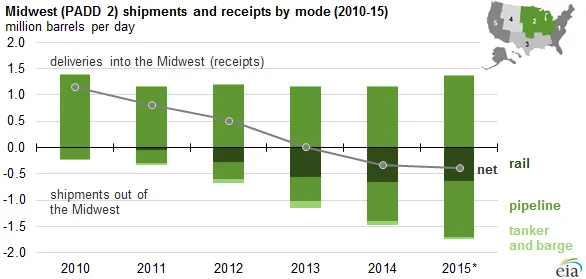
Photo: U.S. Energy Information Administration, Public domain, via Wikimedia Commons
Here's a sentence that sounds like a scam: there are people in America who buy things at full price on purpose. Not because they're impulsive. Not because they hate money. Because they've figured out something most of us haven't — that the sticker price is just the opening bid, and the real price gets decided later.
They call it "refund chasing," and it's the most patient form of deal-hunting on the internet.
The Anatomy of a Chase
Meet the basic playbook. A shopper wants a $349 Dyson vacuum. Instead of waiting weeks for a sale that may or may not come, they buy it today. Full freight. Then they set alerts — CamelCamelCamel for Amazon, Honey's droplist, the retailer's own app notifications.
When the price dips to $279 nine days later? They don't grumble. They open a chat window and ask for the difference.
And here's the part that surprises people: a lot of the time, they get it. Amazon's A-to-z-adjacent price protection on items shipped and sold by Amazon has quietly refunded differences for years. Target, Best Buy, and Costco all run price-adjustment windows ranging from 14 to 90 days (Costco's is the generous one). No coupons. No waiting in a virtual line at 3 a.m. Just a receipt and a follow-up.
The Paper Trail People
The serious chasers are meticulous. I spent time in a Discord server — about 4,000 members — where refund hunters post screenshots like trophies: "$41.60 back from Wayfair." "Target honored a $12 adjustment on diapers." One member, a nurse in Ohio who asked to go by her first name only, Dana, keeps a spreadsheet with 214 rows of adjustments going back two years.
"Total recovered last year: a little over $1,900," she told me. "Time spent? Maybe 20 hours. That's a better hourly rate than my overtime."
Her method is boring on purpose. She screenshots the purchase price at checkout. She notes the retailer's adjustment window before buying, not after. She never argues with the first customer service rep — she thanks them, and if the answer is no, she tries again on a different channel. Chat, then phone, then email. Politeness, it turns out, is a stacking strategy.
The Retailer's Side of the Counter
So what do stores think about all this? More tolerant than you'd expect — with limits.
A former customer experience manager for a large home goods chain (who asked not to be named, for obvious reasons) put it this way: "Adjustments are a rounding error compared to returns. A refund of $30 on an item the customer keeps is cheaper than a full return, restock, and possible markdown. Some of these shoppers are actually our best customers. They buy at full price, which is what we wish everyone did."
The friction, he said, comes from the serial chasers — the ones who file dozens of claims a month, or who try to stack adjustments on top of already-clearance pricing. That's where policies tighten, windows shrink, and reps get scripted. In other words: don't be greedy and you'll probably stay welcome.
Which Policies Actually Pay Out
We rated the big ones, based on the hunters' collective track record and the current fine print:
- Costco — 30 days on most items, a full 90 on electronics during holiday season. The gold standard. Refunds post as a difference credit, fast.
- Target — 14 days, and the app makes the request nearly painless. Reportedly among the highest "yes" rates in the game.
- Best Buy — 14 days (60 for Elite Plus members), and they'll match their own price drops. Solid, if short.
- Amazon — no formal published policy anymore, but reps frequently honor drops on Amazon-sold items if you ask within the return window. YMMV is doing heavy lifting here.
- Walmart — officially no general price adjustment. Hunters skip it or lean on the credit card instead.
And that last point matters: the chase doesn't end at the retailer. Cards like Citi Price Rewind (in its current form), some Capital One and Chase benefits, and third-party services like PayPal's refund protections can catch what stores won't. The pros file with the store first, the card second, and keep both paper trails separate.
Why This Beats Waiting for the Flash Sale
The counterargument is obvious: why not just wait for the deal? Two reasons, say the chasers. First, you might wait forever — some items never drop before they sell out or get replaced by a "new" model at a higher price. Second, when you buy at full price and get a partial refund, you often end up paying less than the sale price would have been, because the adjustment sometimes stacks with a card bonus, a portal cashback click, or a gift card balance you already had.
It's the inverse of everything we usually cover on this site. No countdown timers. No 3 a.m. drops. Just receipts, patience, and a very polite chat transcript.
Dana's advice for beginners is one sentence: "Buy when you need it, ask when it drops, and always screenshot."
The deals are live. Turns out, sometimes they're also retroactive.