Your Supermarket Doesn't Have a Countdown Timer — Yet. Here's Why That's About to Change.
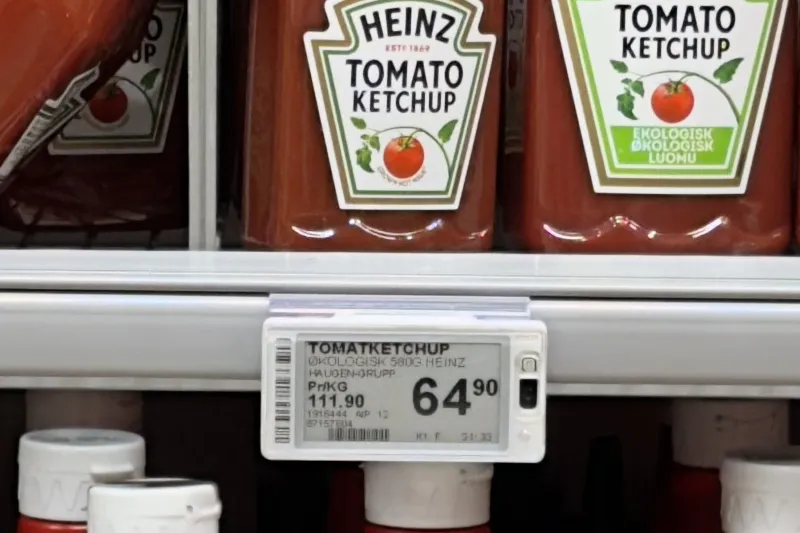
Photo: Wolfmann, CC BY-SA 4.0, via Wikimedia Commons
Walk through a grocery store on a Tuesday afternoon and you'll notice something almost extinct in American retail: silence. No countdown clocks. No "only 3 left in stock!" banners. No 90-second flash windows begging you to act before the clock hits zero.
Everywhere else, urgency is the business model. Sneaker drops at midnight. Air fryers "expiring" in four hours. Your cart whispering that 47 other people are eyeing the same blender. But the grocery aisle? Still stubbornly, almost quaintly, calm.
That calm is on borrowed time.
Why Grocery Never Needed the Timer
The urgency playbook works because most retail runs on want, not need. Nobody needs a third pair of headphones, so retailers manufacture panic to close the gap. Grocery is different. You show up because you have to eat — this week, every week. Demand is built in. The store doesn't need to convince you to come; it needs to convince you to come there.
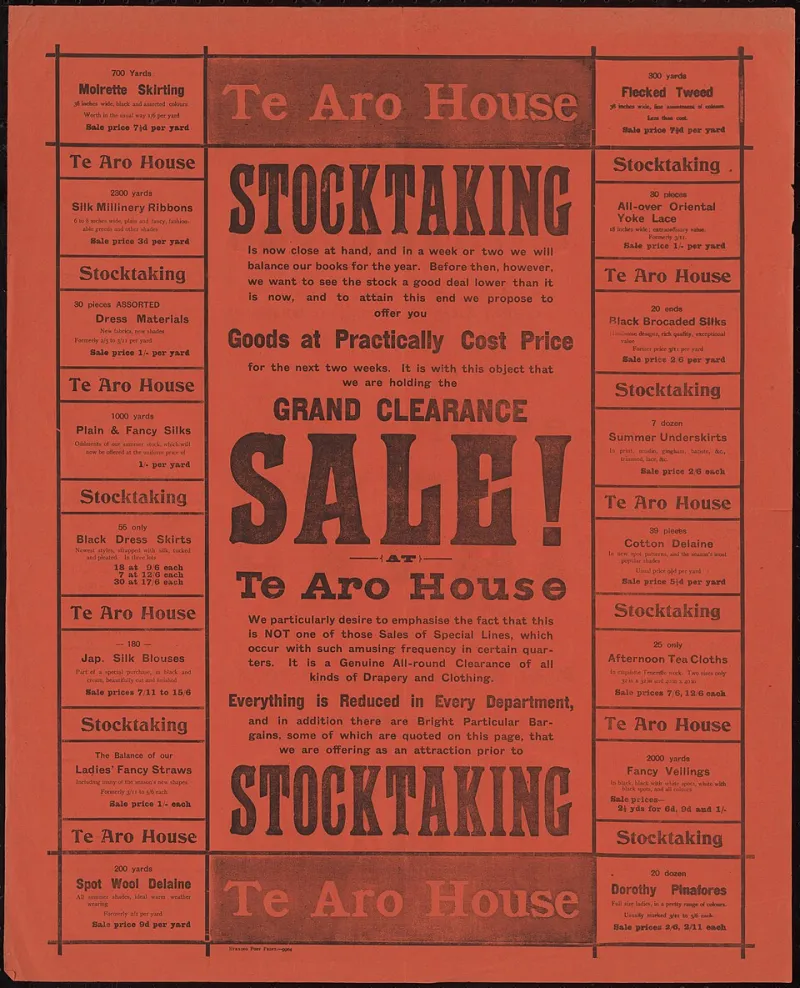
For decades, that meant a different weapon: the circular. The weekly ad, the loss-leader rotisserie chicken, the BOGO on soda. It was urgency's polite cousin — a deadline, sure, but a soft one measured in days, not seconds.
There's also a plumbing problem. Supermarkets run on razor-thin margins, typically 1–3%, and inventory is perishable. A flash sale that actually works too well is a catastrophe when the product spoils. An electronics retailer can sell out of TVs and restock in a week. A grocery chain that under-forecasts a brisket promotion is throwing money into the dumpster behind the store.
The Markdown Schedule Hiding in Plain Sight
Here's the thing most shoppers miss: grocery already runs on urgency — you just have to know where to look.
The meat counter is the best example. Most major chains mark down meat on a predictable rhythm, often early morning or late evening, when the "sell by" date is a day or two out. Savvy shoppers have long known that hitting the case at the right hour means finding yellow-sticker packages at 30–50% off. It's a flash sale that repeats every single day. The store just doesn't advertise it, because a timer would train you to only shop the markdowns.
That's the quiet contradiction at the heart of grocery retail: the urgency exists, but it's deliberately hidden. Retail urgency works best when it feels spontaneous. Grocery urgency works best when it feels like luck.
Digital Coupons Are the Trojan Horse
The infrastructure for the full urgency playbook is already rolling out — you've probably used it without noticing.
Digital clip-only coupons changed the game. Once you're logging into an app to load deals onto a loyalty card, the store knows who you are, what you buy, and what it takes to move you off a competitor. That's the same data pipeline that powers every flash sale you've ever rage-clicked.
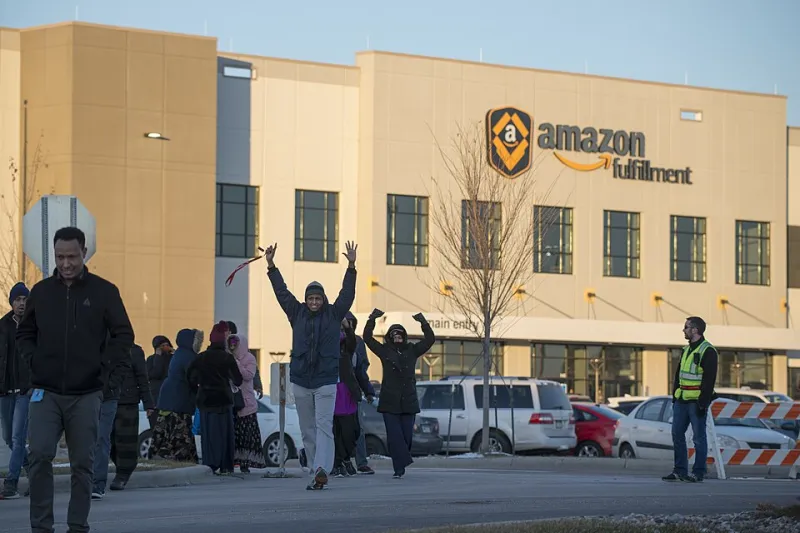
And the competitive pressure is real. Walmart spent years rebuilding its grocery delivery machine, and Amazon Fresh has been aggressively repricing staples to fight for the same basket. When two giants start algorithmically undercutting each other on bananas and paper towels, prices stop being weekly and start being dynamic — adjusted by the hour, the way airline seats already are.
How the Timer Actually Arrives
Don't expect a neon countdown over the dairy case. Grocery urgency will arrive dressed as convenience. Watch for these, in roughly this order:
1. Surplus drops. Apps and store platforms already flag "last chance" inventory — produce approaching its date, bakery overstock. Expect that to become push notifications with a window: "50% off prepared meals, today only, until sold out." It solves the shrinkage problem and imports the flash-sale mechanic.
2. Hourly delivery-window pricing. Once grocery is mostly delivered, time slots become inventory. A 2 P.M. delivery that nobody booked will get cheaper than the 5 P.M. slot everyone wants. Surge pricing in reverse — and suddenly your grocery app has a clock in it.
**3. Personalized expiring offers." Your coupon expires in 4 hours" is already standard in food delivery apps. The loyalty-card data means your supermarket can run the exact same play, targeted to exactly the item you were going to buy anyway — which makes the timer feel helpful instead of manipulative. That's the trick.
What to Do Before the Clocks Show Up
If you shop grocery like a deal hunter already, you're ahead of the curve. Shop the markdown schedules, not the sales circular. Clip digital coupons the night before your trip so the store's algorithm learns you respond to offers — you'll get better ones. And price-check your staples across Walmart, Amazon Fresh, and your regional chain, because the gap between them is now a moving target.
The countdown is coming to your cart. It always does. The only question is whether you'll be the shopper the timer works on — or the one who already knew the schedule.