The 6 A.M. Markdown Window: Meet the Shoppers Who Beat Target's Own Employees to the Clearance Sticker Gun
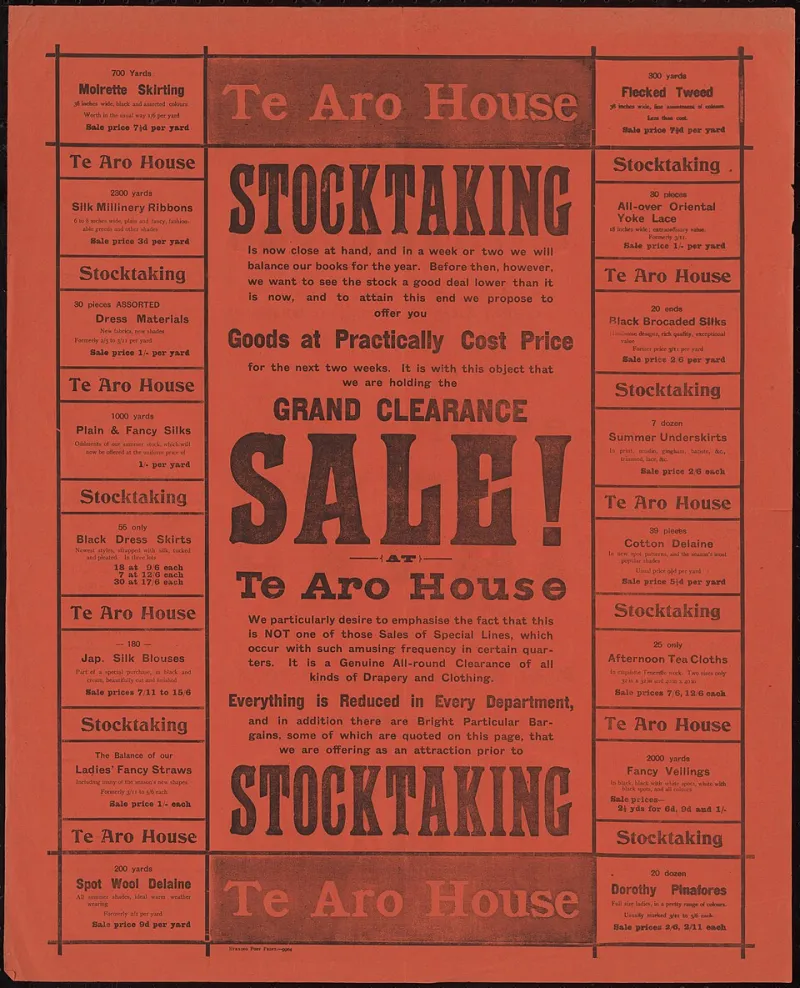
Photo: National Library NZ on The Commons, No restrictions, via Wikimedia Commons
Every big-box store in America has a moment it would rather you not know about. It's not a sale event. It's not a holiday promo. It's a stretch of time — sometimes hours, sometimes just minutes — between the moment a clearance price hits the system and the moment the store (or the internet) catches up to it.
Clearance hunters call it the markdown window. And once you understand how it works, you'll never look at the endcap clearance aisle the same way again.
Why Clearance Is a Schedule, Not an Accident
The first thing to understand: markdowns aren't random. At Target, Walmart, Home Depot, and most major chains, price reductions follow predictable internal cycles. Seasonal goods get flagged for clearance on a schedule. Overstock gets flagged on a schedule. Even the infamous Target sticker-gun runs — where an employee walks the aisles printing new red-tag prices — happen on shifts, usually early morning before doors open or overnight for 24-hour locations.
That means the discount doesn't appear when you happen to walk in. It appears when the system says it should. And there's a gap between those two things.
A price can be live in the retailer's database hours before a human scans a single shelf tag. That gap is where the professionals live.
The Tools of the Trade
Spend any time in deal-hunting communities — Slickdeals threads, Reddit's clearance subs, Facebook bargain groups — and you'll notice the same toolkit over and over.
The barcode scanner app. Apps and store-specific tools let shoppers scan any item and pull the current system price, not the shelf price. An item marked $39.99 on the shelf might ring up at $9.98 in the system because the markdown already went through but nobody's relabeled it yet. Scan first, and you know what you're actually going to pay.
Restock cycle knowledge. Trucks arrive on predictable days. Clearance rounds often follow restocks, because employees need shelf space for new inventory. Know when the truck comes, and you know when the markdown sweep is likely to follow.
Employee shift patterns. This one sounds more cloak-and-dagger than it is. Markdown specialists at Target, for example, typically work morning shifts. Regulars simply learn which days their local store does price changes and show up a few hours into that shift. No insider info required — just observation.
The seasonal calendar. Holiday merchandise follows an almost mechanical discount ladder. Christmas candy at 50% off on December 26 becomes 70% around New Year's and 90% by mid-January. The hunters aren't guessing. They're counting.
The Golden Window, Step by Step
You don't need to be a full-time deal chaser to use this. Here's the practical version:
- Pick your store and learn its rhythm. One trip a week at different times will teach you when shelves get touched. Most big-box markdown work happens early morning, midweek.
- Scan everything, trust nothing. Shelf tags lag behind system prices. Use the store's app or a scanner to check the real price before you get excited — or before you walk away.
- Hit the hidden sections. Clearance isn't just the designated endcaps. Check the back of seasonal aisles, top shelves, and behind the full-price displays. Markdown stickers end up in weird places.
- Watch the discount ladder, not the first drop. The first markdown (usually 30–50% off) is bait. The second and third rounds are where the real math lives — but inventory shrinks fast. Decide whether you want the deal or the best deal.
- Move on repackaging day. When an item gets marked down to nearly nothing, stores often consolidate it — pulling it from shelves into a clearance cart or repack section. If you see employees gathering goods, that's your last call.
- Price-check at the register. Scan-and-go or self-checkout will show the true system price before you commit. If it rings up lower than the tag, that's your markdown window in action.
Why Stores Tolerate It
Here's the part that surprises people: none of this is against the rules. Scanning barcodes with a personal device is allowed at most retailers. Shopping early is allowed. Knowing that Christmas stuff drops 70% in early January is, technically, just literacy.
Retailers price clearance to move product, and anyone who shows up during the discount ladder is doing exactly what the system is designed to reward. The store wins either way — that inventory was headed for liquidation or the dumpster. The hunters just make sure it heads home with them instead.
The Catch: It's a Window, Not a Door
The honest downside is that markdown windows close fast. That $4.98 patio set might be gone by lunch, repackaged, or snapped up by the person who got there at 7:45 instead of 8:15. Clearance hunting rewards consistency more than luck — the people who score 80% off regularly are the ones who show up regularly.
So pick one store. Learn one cycle. Show up one quiet Tuesday morning with a scanner app and low expectations. The first time the register rings up $12 on a tag that says $79, you'll understand why the pros set their alarms for it.