Midnight Drop Culture Is Real — And Retailers Know You're Not Sleeping

Photo: Jørgen Hans Maltesen, CC BY-SA 3.0, via Wikimedia Commons
It's 1:47 AM on a Tuesday. Half the country is asleep, and yet somewhere in Ohio, a guy named Marcus just snagged a pair of limited-edition Jordans because he set an alarm for the drop. Meanwhile, a shift nurse in Arizona is casually adding a $200 air fryer to her cart during a Walmart midnight rollback. Nobody's tired. Everybody's shopping.
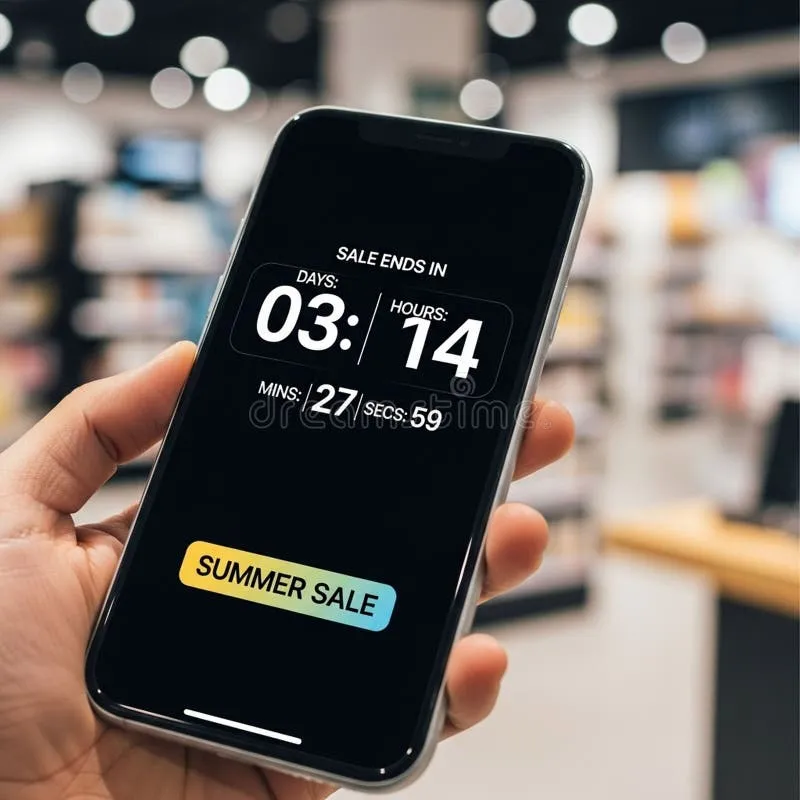
Welcome to the 2 AM flash sale economy — the strange, thriving world of deals that go live while most of America is counting sheep.
Why Retailers Fell in Love with the Overnight Window
The logic is brutally simple. During the day, retailers are competing for your attention against work emails, kids' soccer practice, and every other store shouting about 40% off. At 2 AM, the noise drops to almost nothing. Your inbox is empty. The competition is asleep. A deal that might get buried at noon suddenly has room to breathe.
There's also a supply-chain angle. Sneaker brands like Nike and adidas pioneered the timed "drop" model partly to control inventory and partly to build hype — scarcity plus a precise release time equals free marketing. Then the rest of retail caught on. Walmart started pushing overnight rollbacks. Amazon's Lightning Deals refresh around the clock. Even small Shopify stores schedule their flash sales for off-peak hours because their servers — and their customer service queues — are quieter.
And here's the part retailers won't say out loud: people shopping at 2 AM are not at their sharpest. Decision-making gets sloppy when you're tired. That "add to cart" reflex is stronger at 2 AM than it is at 2 PM, and the retailers know it.
Who Actually Wins the Midnight Game
Not everyone shopping overnight is a zombie scrolling in the dark. There's a genuine population of night-shift workers — nurses, warehouse staff, truckers, call-center reps — who are legitimately awake and browsing. For them, the midnight drop is a feature, not a bug. Retailers effectively discovered an underserved audience that's wide awake with disposable income and nothing but time.
Then there are the pros: resellers, sneaker bots, and deal-hunting communities who treat every drop like a sport. These folks don't lose sleep because they don't have to — automation and group chats do the watching for them. The average shopper competing against a bot at a midnight sneaker release is roughly a person with a butter knife competing against a combine harvester.
So who loses? The person who genuinely wants the deal, hears about it the next morning, and finds it sold out. Or worse — the person who wrecks their sleep schedule for a month chasing drops that were restocked anyway.
How to Catch Midnight Deals Without Becoming Nocturnal
The good news: you don't need to stare at your phone at 2 AM like it's a slot machine. Here's the setup that actually works:
- Use deal alert services. Sites like ours exist precisely so you don't have to. Set alerts for specific products or categories and let the notification come to you.
- Follow retailer apps, not just websites. Apps often push flash sale notifications minutes before anything shows up in your inbox.
- Join Discord servers and deal communities. Slickdeals, sneaker Discords, and Reddit deal threads break midnight drops in real time. Lurk, don't lose sleep.
- Know the drop calendar. Most midnight releases aren't random. Sneaker drops, game pre-orders, and big-box rollbacks follow predictable schedules. Two minutes of research saves you a month of 2 AM alarms.
- Pre-fill your cart and save your payment info. If you do catch a live drop, speed is everything. Checkout in under 30 seconds or don't bother.
The Bottom Line
The overnight deal economy isn't going anywhere. If anything, expect more retailers to schedule drops for off-peak hours as they chase night-shift shoppers and hype-hungry collectors. But the smart play isn't to fight the system with caffeine and willpower — it's to automate your vigilance. Let the alerts do the losing sleep for you. That's what they're for.