Who's Awake at 3 A.M.? Meet the Shoppers Powering America's Overnight Deal Economy

Photo: Aniol, CC0, via Wikimedia Commons
Here's a number that should reframe how you think about deal drops: a meaningful chunk of flash-sale traffic in the US happens between midnight and 5 A.M. local time. Not lunch-break traffic. Not commute traffic. The hours when most of the country is unconscious.
Retailers didn't build that demand. They found it — and then started feeding it.
The 3 A.M. Cart Is a Real Place
If you've ever rolled over at 2:47 A.M., checked your phone "for a second," and woken up to a confirmation email for a air fryer you don't remember buying, congratulations: you've shopped the overnight economy.
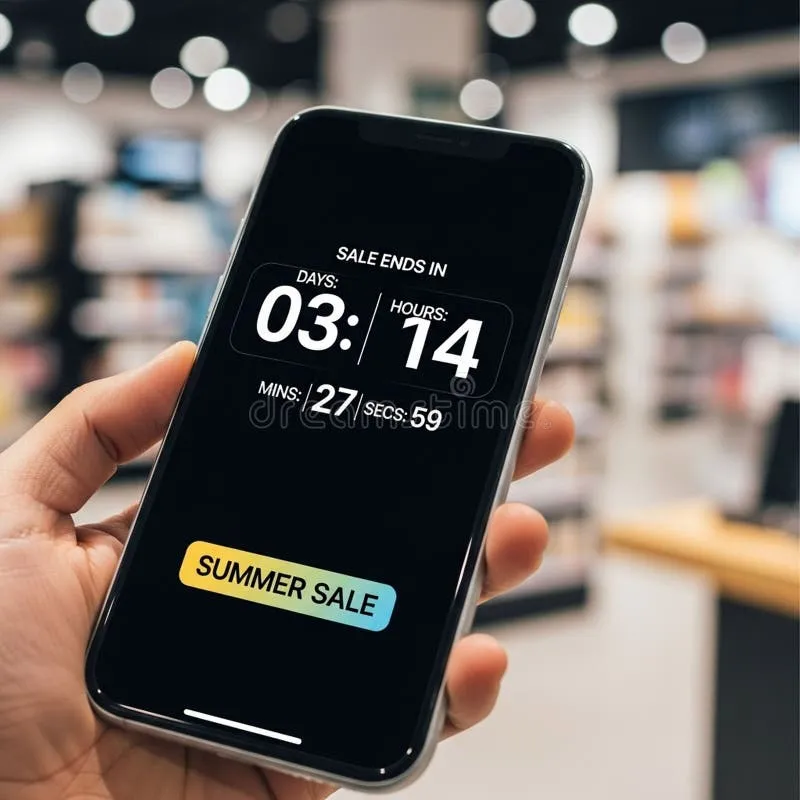
The pattern shows up everywhere once you look. Deal sites see engagement spikes in the wee hours. Retail apps log sessions with unusually high cart-add rates and — this is the part that matters — surprisingly high completion rates. A shopper at 3 A.M. isn't comparison-browsing eleven tabs. They're tired, they're alone with their phone, and the timer says 42 minutes left.
Who's Actually Buying
We talked to the people keeping the overnight economy lit. Their stories sound nothing like the impulsive insomniac stereotype.
The night-shift crowd. Darlene, a nurse in Ohio who works 7 P.M. to 7 A.M., does her shopping on her breaks — which, for her, are everyone else's midnight. "When a deal drops at 1 A.M., that's my prime time," she told us. "I'm not sleepy-shopping. I'm on my lunch."
New parents. Anyone who's paced a kitchen at 3:30 A.M. with a baby who thinks sleep is optional knows the phone is the only entertainment available. One dad in Austin described feeding sessions as "my personal Amazon Gold Box hour." He's only half joking.
Chronic insomniacs. Then there are the genuinely sleepless — an estimated third of American adults get less than the recommended sleep. For them, 3 A.M. is just... awake time. And a flash sale is something to do.
Why Retailers Timed It On Purpose
Here's where it gets deliberate. Once platforms realized overnight traffic was real, they started scheduling drops for it.
The logic is straightforward. Overnight shoppers face less competition for limited stock. Servers are quieter, checkout flows faster, and — let's be honest — decision-making gets looser as the night wears on. Sleep deprivation is famously bad for impulse control, which is the exact opposite of what a countdown timer is designed to exploit.
So when you see a deal go live at 12:01 A.M. Eastern, that's not arbitrary. It's timed for the East Coast night owls, the West Coast evening browsers, and everyone in between who's up for reasons the retailer doesn't need to know.
Sleepless Shopping Isn't Always Bad Shopping
Here's the twist: overnight shoppers aren't always the suckers of the story. Night-shift workers and new parents are often more deliberate than daytime buyers — they're shopping when nothing else competes for attention, and many told us they keep running wishlists they finally act on at night.
The risk sits with the true 3 A.M. impulse buyer, thumb hovering, timer ticking. If that's you, a couple of ground rules help:
- Sleep on anything over $50. The deal will feel different at breakfast. Sometimes better. Usually not.
- Save your cart, don't check out. Most retailers will email you a nudge — sometimes with a discount attached. Patience literally pays.
- Know your timezone trap. A "midnight drop" might be 9 P.M. your time. Check before setting an alarm.
The Bottom Line
The overnight deal economy exists because real people — nurses, parents, insomniacs — are genuinely awake, genuinely shopping, and genuinely valuable to retailers who figured it out first. That's not a conspiracy. It's just commerce finding an open window.
But the next time a timer hits zero while the moon's still up, ask yourself one question: is this a deal you found, or a deal that found you? At 3 A.M., that distinction is worth more than any discount code.